Vegan Nutrition
"Will a whole-food plant-based diet lead to nutritional imbalance?" is one of the most common concerns people have when transitioning to a vegan lifestyle.
The truth is, with a balanced diet, all the nutrients the human body needs can be obtained from natural plant-based foods. We'll start with the most practical section — Daily Eating Guidelines — walking you through how to structure each meal, and how to quickly assess whether a meal is nutritionally balanced, whether you're cooking at home or eating out.
From there, we'll take a deeper look at key nutrients — including protein, calcium, iron, vitamin B12, and omega-3s — and how to get them naturally from plant-based foods, so you can eat with confidence, eat well, and feel truly nourished.
Nutrition News
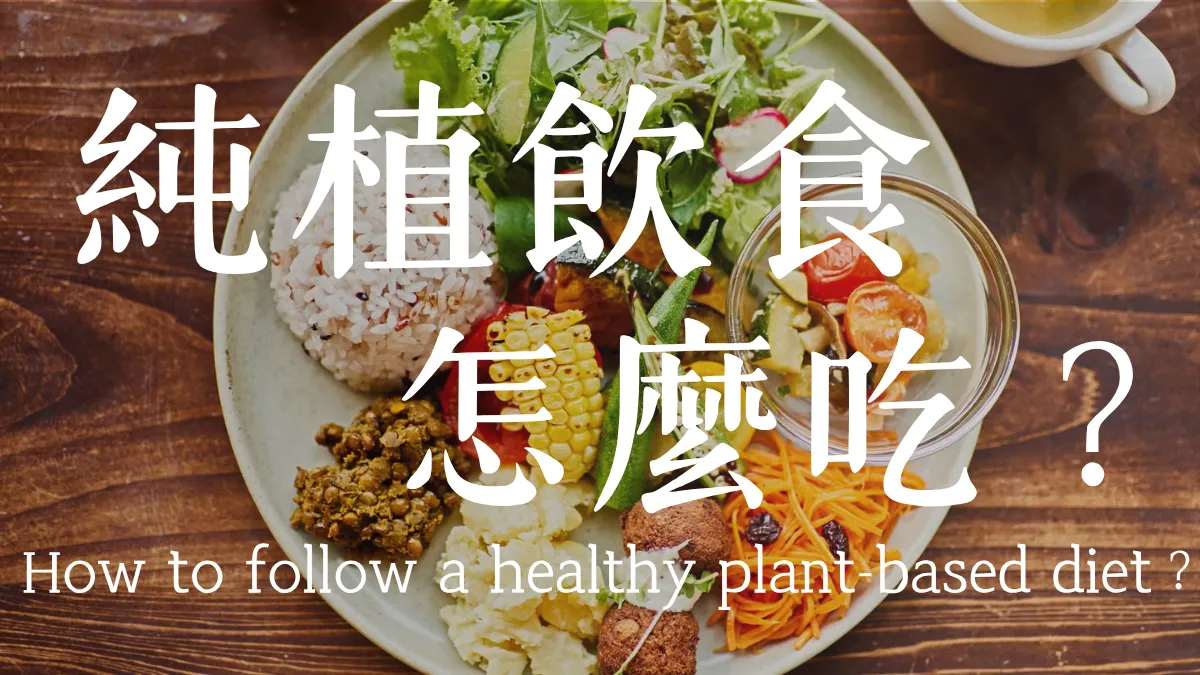
The “211 Plate” was developed by Dr. Yen-Jen Sung, former Deputy Minister of the Department of Health, based on Harvard University’s “Harvard Healthy Eating Plate” and refined through his expertise in metabolic medicine. Based on the Ministry of Health and Welfare’s “211 Plant-Based Plate,” we have created this recommended “Healthy Plant-Based 211 Plate” guideline.
Learn More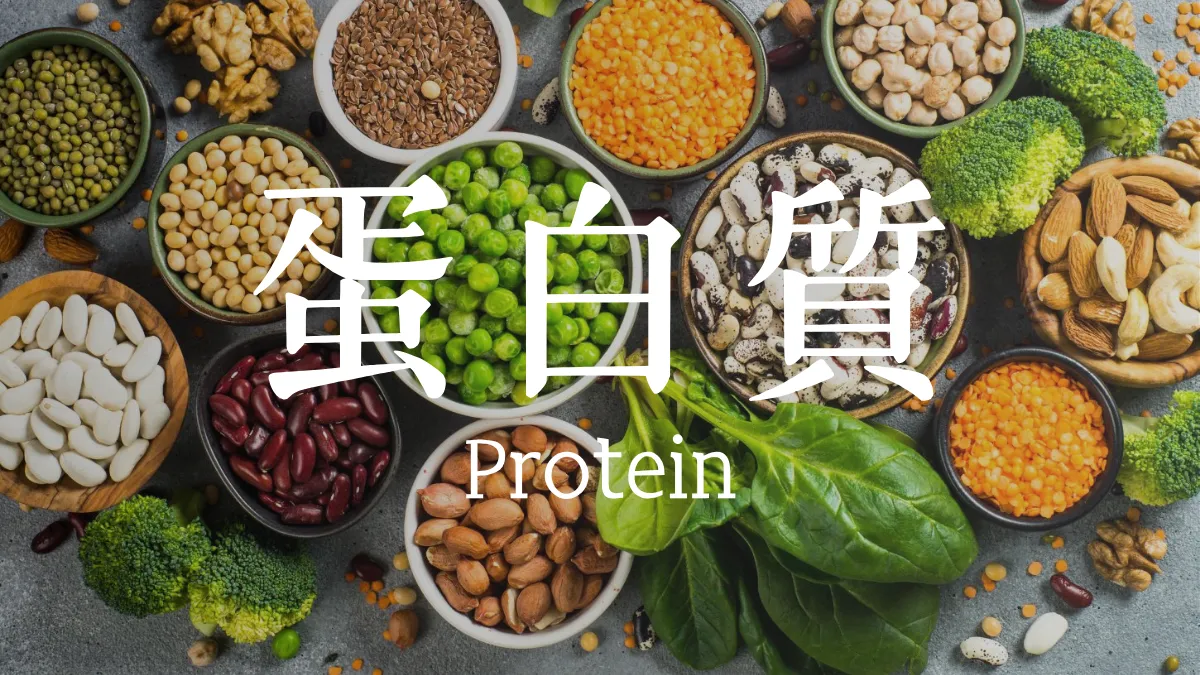
For most people following a plant-based diet, the real challenge is not a lack of protein. Rather, it's not knowing which foods provide enough protein or how to build balanced meals throughout the day. But how much protein do we actually need each day?
Learn More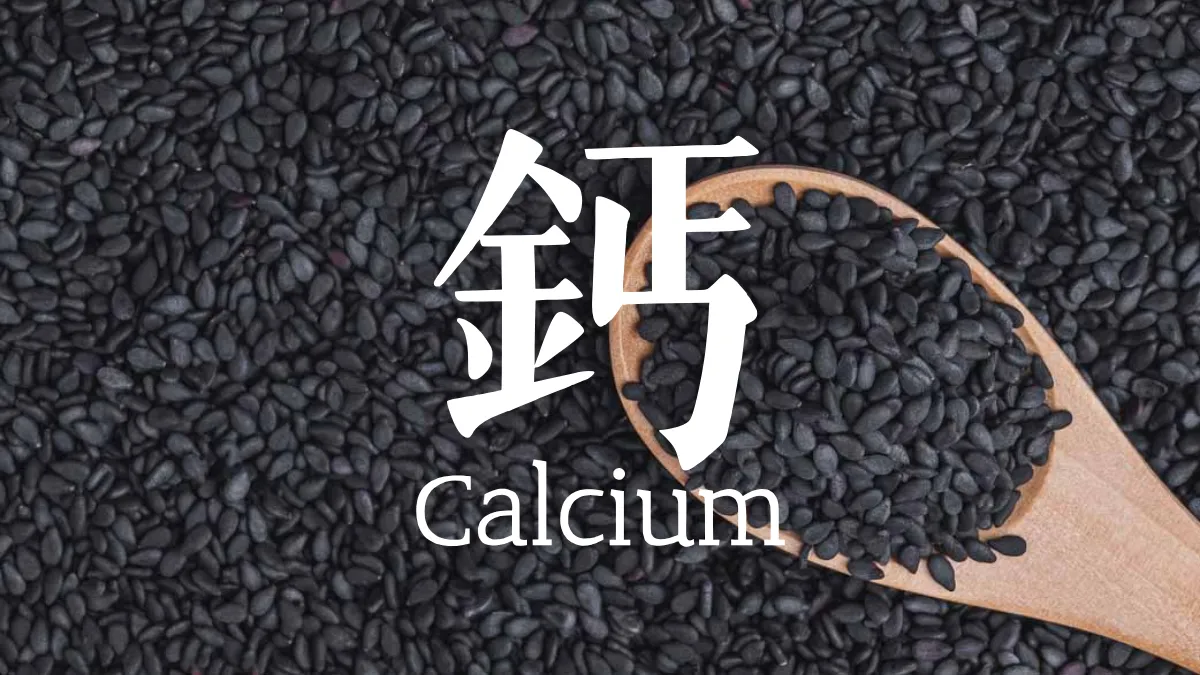
But interestingly, while many people worry about calcium deficiency if they don't drink milk, they rarely stop to think about another question: Is milk really suitable for humans?
Learn More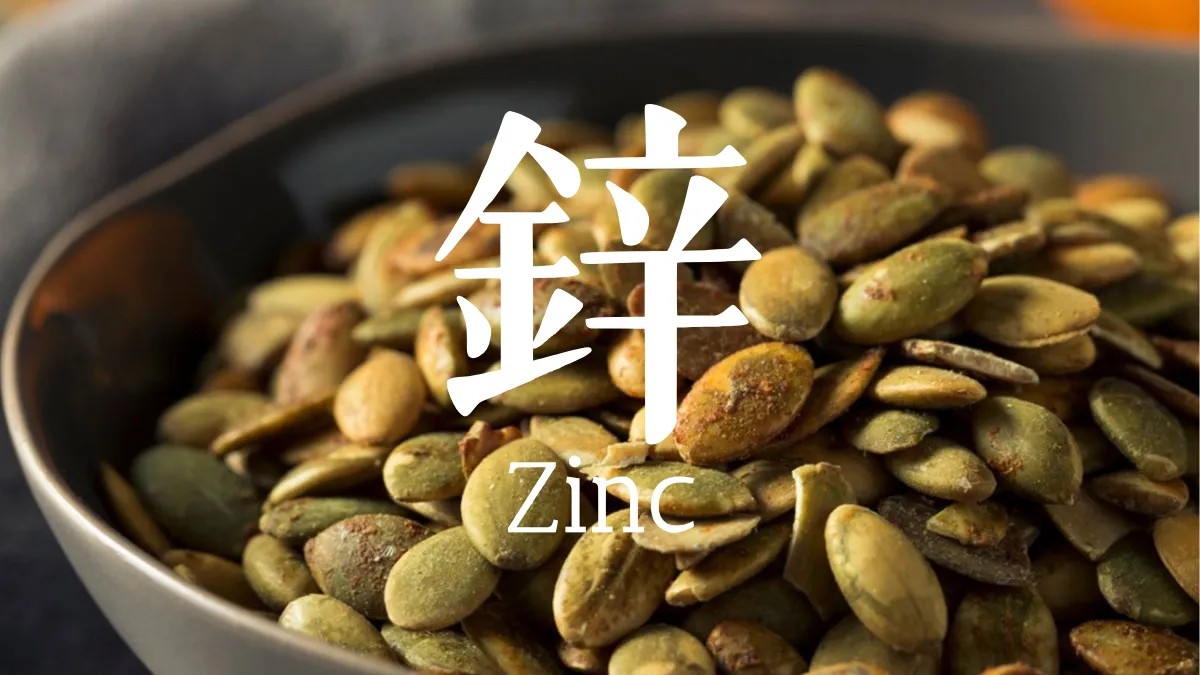
Legumes such as soybeans, edamame, black beans, and chickpeas; whole grains, oats, and quinoa; as well as nuts and seeds including pumpkin seeds, sesame seeds, cashews, and almonds are all excellent sources of zinc.
Learn More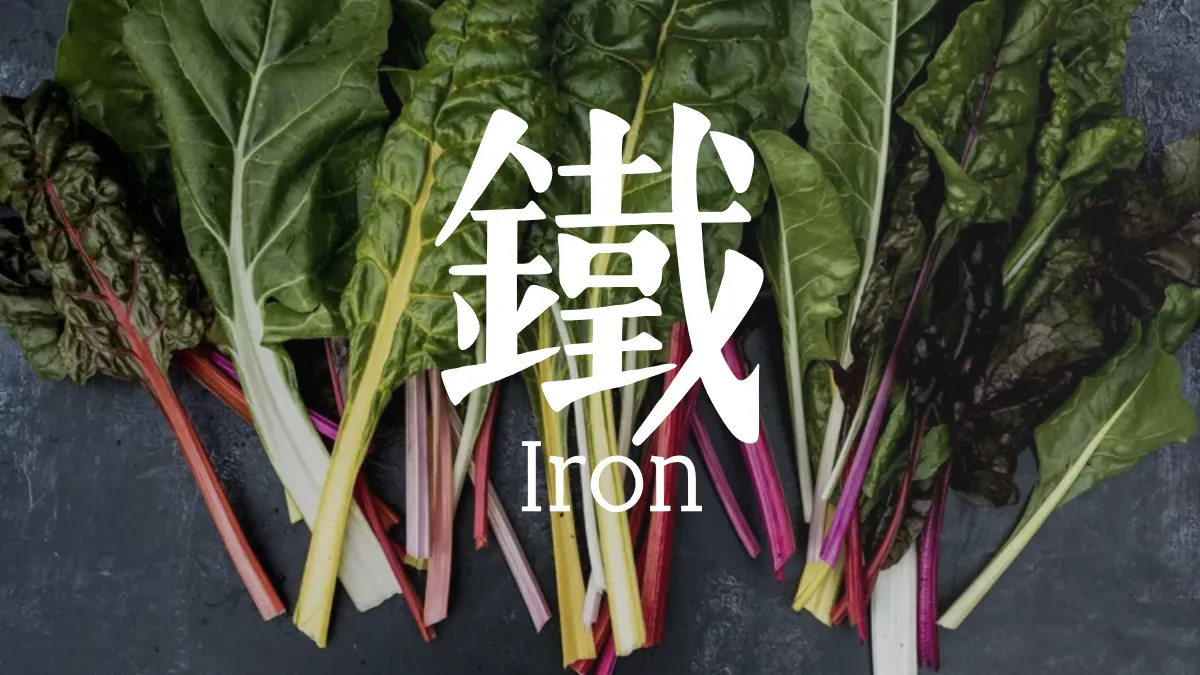
Many people believe that only red meat can replenish iron; however, in clinical practice, many individuals who regularly consume meat still suffer from iron deficiency or iron-deficiency anemia. While some worry about the lower absorption rate of iron from plant sources, the absorption of plant-based iron can be significantly enhanced by simply consuming it alongside Vitamin C.
Learn More
In ancient times, humans gathered food from the earth, and fruits and vegetables were often lightly coated in soil — which contains abundant microorganisms, some of which produce vitamin B12. Since the body needs very little (the recommended daily intake for adults is about 2.4 mcg), obtaining B12 in past environments wasn't difficult.
Learn More
For plant-based eaters, main Omega-3 sources include flaxseeds, chia seeds, walnuts, perilla seeds, and products made from them. Flaxseeds are the Omega-3 champion of the plant world — a daily moderate serving provides abundant Omega-3.
Learn More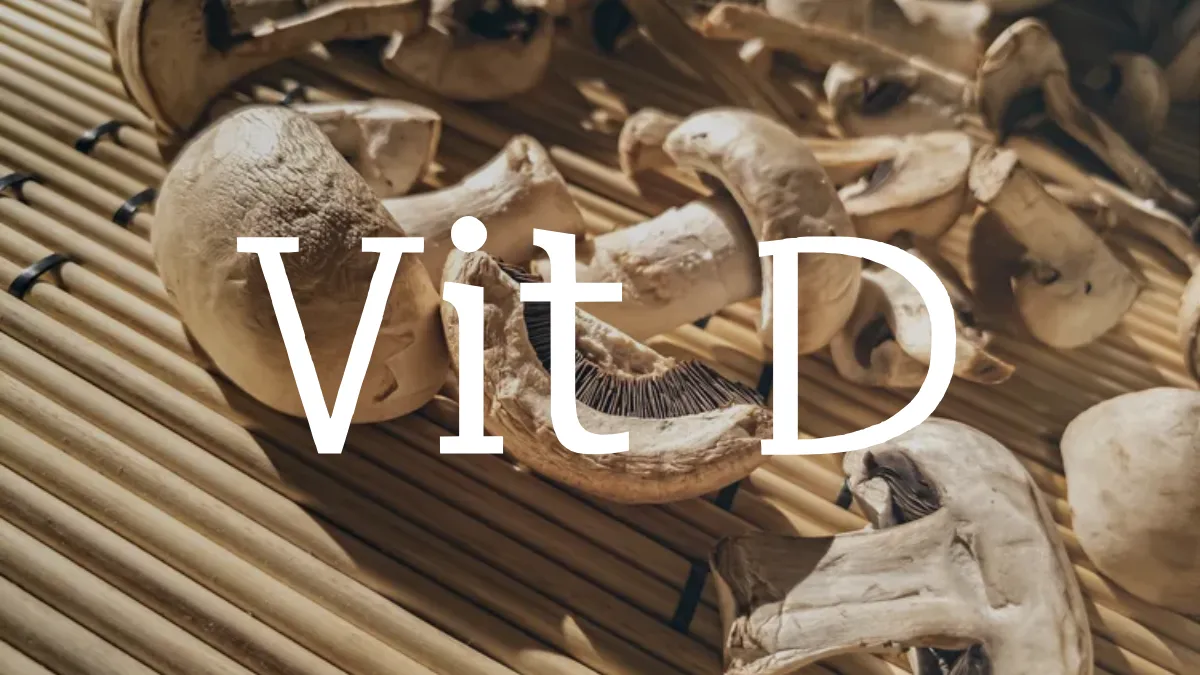
Certain mushrooms — such as button mushrooms, shiitake, maitake, and black wood ear — contain ergosterol, which converts to vitamin D2 through photochemical reaction when exposed to sunlight. Since most commercially grown mushrooms are cultivated indoors, try slicing fresh mushrooms and placing them in direct sunlight for 15–30 minutes before cooking to significantly boost their vitamin D2 content.
Learn More
Good sources include peanuts, shiitake mushrooms, king oyster mushrooms, whole grains, brown rice, oats, legumes, sesame, and nuts and seeds. The body can also synthesize some B3 from the essential amino acid tryptophan.
Learn More